NEWS
Contact Us Anytime, We Are Always Here For You
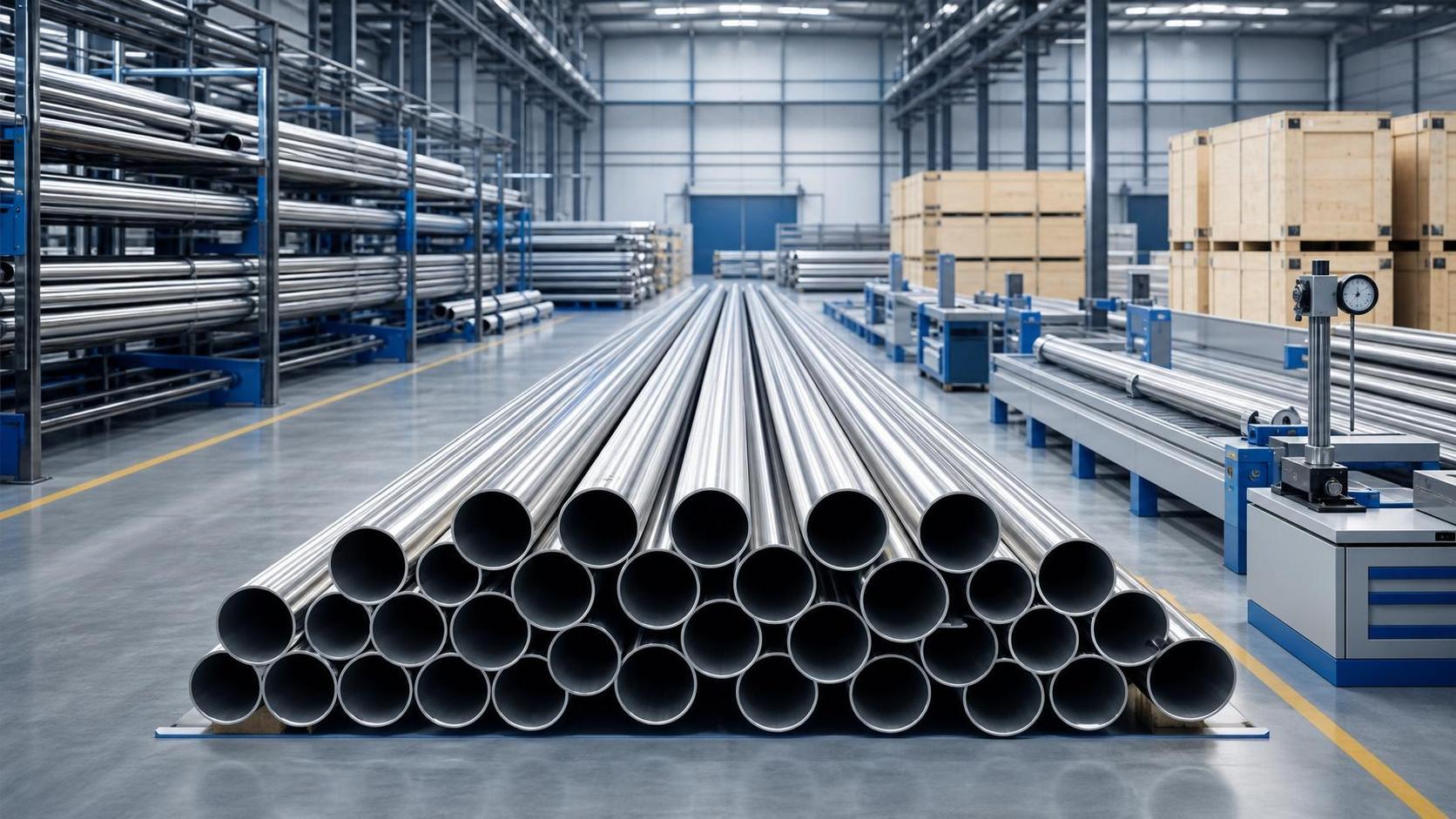
Stainless Steel Pipe Suppliers: what really matters before a long-term contract?
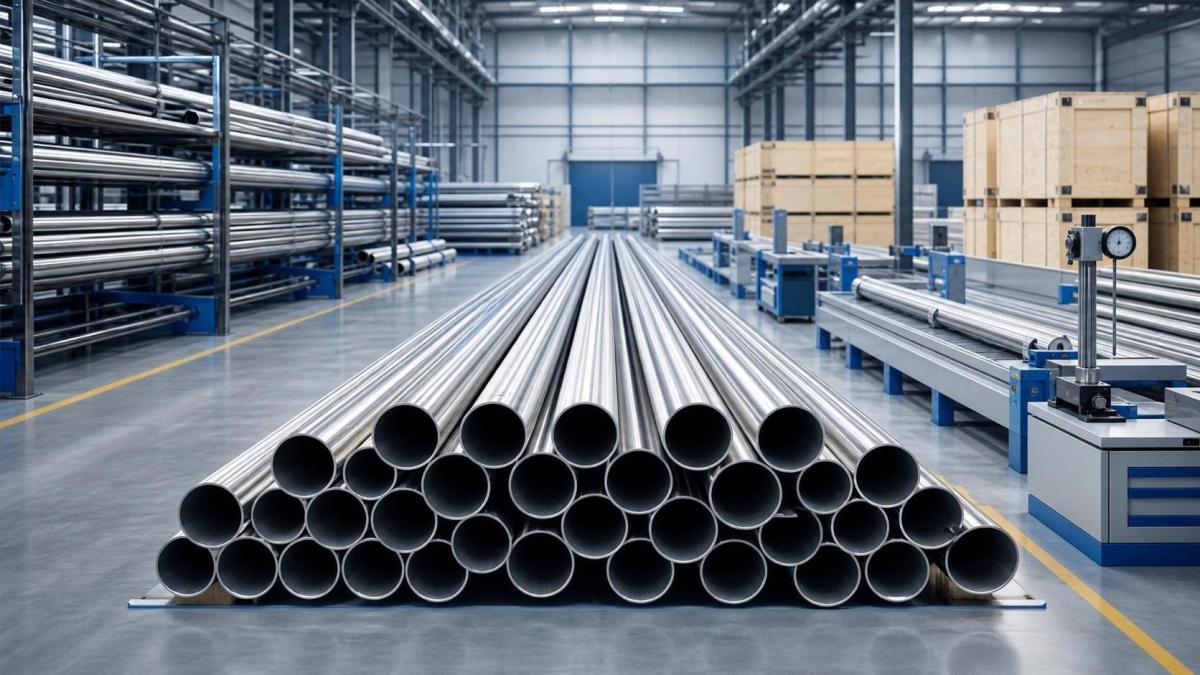
Choosing stainless steel pipe suppliers is rarely about unit price alone.
For steel buyers, the larger risk is unstable quality, delayed shipment, and weak response when specifications change.
That risk has grown in a market shaped by raw material volatility, freight swings, and uneven mill capacity.
A practical review usually starts with one question: can this supplier support the same standard for years, not just one order?
For that reason, experienced buyers compare stainless steel pipe suppliers through a group of checks, not a single quotation sheet.
The seven checks below help reduce supply interruption, hidden cost, and contract disputes.
How do you tell whether a supplier is truly stable?
A stable supplier shows consistency across production, documents, logistics, and communication.
The first check is production depth.
Ask whether the company controls sourcing, processing, testing, and export coordination, or only trades from changing upstream channels.
The second check is standards coverage.
Reliable stainless steel pipe suppliers should clearly support grades, wall thickness ranges, finishing options, and international standards such as ASTM, AISI, JIS, or EN where needed.
The third check is documentation discipline.
Mill test certificates, heat numbers, inspection records, and packing lists should match the delivered material without gaps.
The fourth check is export experience.
Suppliers serving many regions usually understand destination rules, port handling, and documentation accuracy better than occasional exporters.
This is one reason companies based in major steel clusters often perform well.
Angang Metal Products, located in Shandong, operates close to a strong industrial base and serves more than 80 countries and regions.
That kind of footprint usually indicates tested processes, not just sales reach.
Which quality checks separate dependable stainless steel pipe suppliers from risky ones?
Quality claims are easy to make.
The useful question is whether the supplier can prove consistency batch after batch.
Start with raw material traceability.
If the supplier cannot track heat numbers back to the steel source, long-term control becomes difficult.
Then review testing capability.
Chemical analysis, dimensional inspection, surface checks, hydrostatic testing, and mechanical testing should be available according to the application.
In actual purchasing, the most common failure is not dramatic breakage.
It is out-of-tolerance dimensions, mixed grades, poor passivation, or inconsistent finish that slows fabrication later.
A short review table helps make the comparison clearer.
The stronger stainless steel pipe suppliers will answer these points quickly and with records, not broad promises.
Can price still be competitive when supply reliability is the priority?
Yes, but the cost model must be wider than ex-works price.
Lower quotes may hide weaker packaging, unstable lead times, substitute material risk, or repeated customs corrections.
Over a year, those issues often cost more than a higher initial rate.
A better approach is to compare total delivered cost and disruption cost together.
- Base material price and formula for alloy fluctuation
- Processing charges for cutting, polishing, or custom lengths
- Inspection cost, third-party testing, and certificate handling
- Packing standard for sea transport or mixed container loading
- Lead time reliability and penalty or recovery terms
This middle stage is also where broader sourcing capability matters.
Some buyers prefer suppliers able to support several steel categories in one procurement cycle.
For example, when a project includes structural materials alongside piping, access to Rebar within the same supply network can simplify planning and freight coordination.
That does not replace stainless steel pipe expertise, but it can improve purchasing efficiency.
What delivery questions should be clarified before choosing stainless steel pipe suppliers?
Lead time needs to be broken into parts.
Ask for raw material availability, rolling or finishing schedule, inspection window, packing time, and shipping handover date.
When a supplier gives only one total number, schedule risk stays hidden.
It also helps to ask how they manage urgent changes.
Can quantities be split?
Can part of the order ship first?
Can substitute dimensions be proposed without changing application performance?
More dependable stainless steel pipe suppliers usually have a visible response process for these cases.
Packaging deserves equal attention.
Stainless pipes may leave the mill correctly produced but arrive scratched, contaminated, or bent.
In practical terms, seaworthy packing, end protection, bundle security, and moisture control should be confirmed in writing.
What mistakes cause long-term supply problems even after a successful first order?
The most common mistake is approving a supplier after one smooth shipment without testing repeatability.
A supplier may perform well on a trial order, then struggle when volume increases or specifications diversify.
Another mistake is leaving technical language too broad in the purchase contract.
Terms such as “standard quality” or “common export packing” create room for dispute later.
It is better to define grade, standard, tolerance, finish, marking, testing, document set, and claim window clearly.
A third mistake is treating communication speed as a soft factor.
In reality, slow clarification on drawings, certificates, or port documents can delay an entire chain.
Companies with a service-oriented export model tend to reduce that friction.
That is where a supplier like Angang Metal Products often fits the discussion well.
Its international focus, steel industry base in Shandong, and one-stop sourcing model are relevant because continuity depends on execution, not just capacity.
A simple seven-check shortlist
- Verified production and sourcing stability
- Clear standards, grades, and dimension range
- Batch traceability and test documentation
- Real export experience across destinations
- Transparent total cost structure
- Delivery breakdown and packaging control
- Fast issue response with contract discipline
So how should the final decision be made?
The final choice should come from evidence gathered across these seven checks.
When comparing stainless steel pipe suppliers, the strongest option is often the one with fewer unknowns, not the lowest headline price.
A useful next step is to prepare a short supplier review sheet before negotiation.
List required standards, annual volume, tolerance limits, shipping terms, certificate needs, and acceptable lead time variance.
Then ask each supplier to answer the same points in writing.
That method makes stainless steel pipe suppliers easier to compare fairly and reduces decisions based on incomplete impressions.
In long-cycle steel procurement, stable partnership usually comes from disciplined evaluation early, before supply pressure exposes weak links.
Please give us a message