
NEWS
Contact Us Anytime, We Are Always Here For You
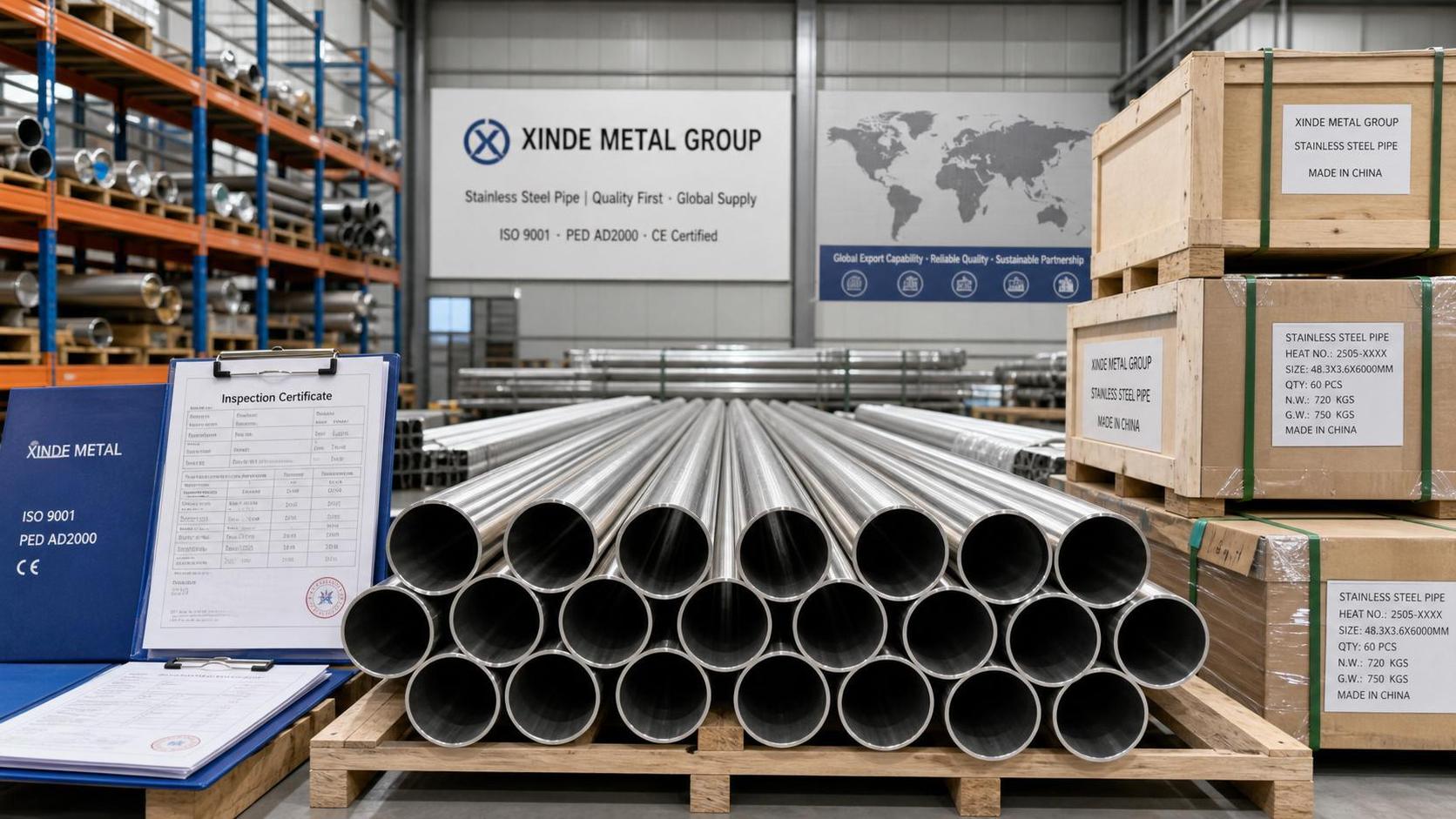
What should you really check before choosing stainless steel pipe exporters?
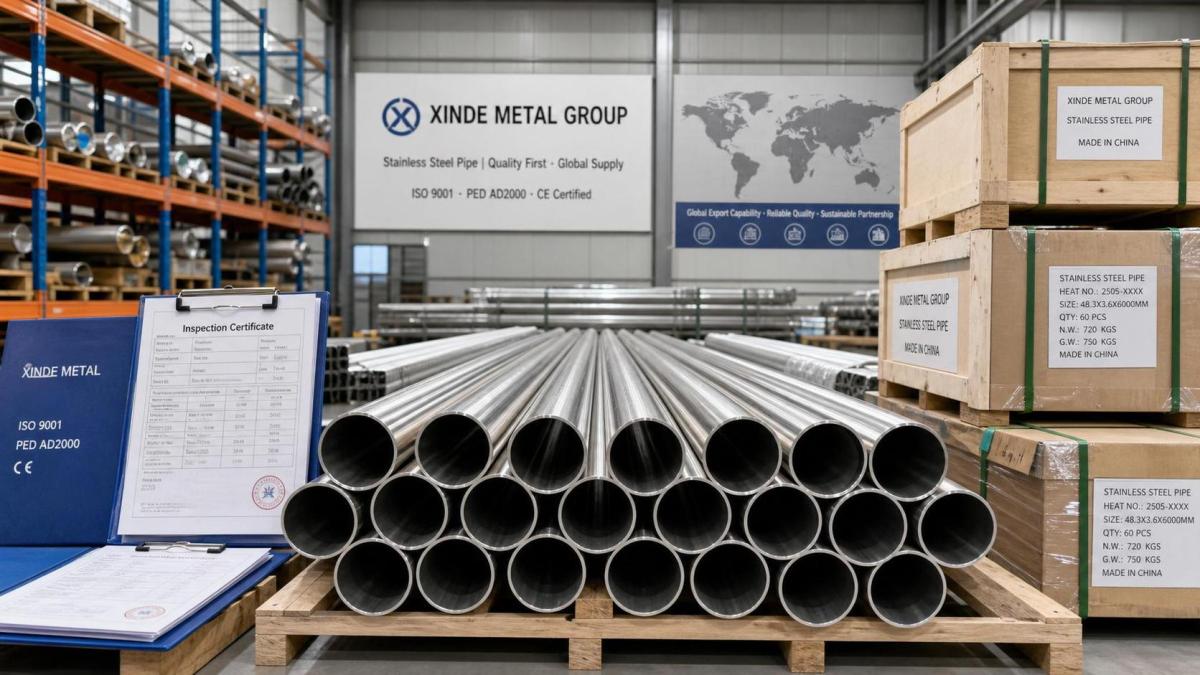
Price usually gets attention first, but it is rarely the safest starting point.
When comparing stainless steel pipe exporters, the real question is whether they can deliver consistent steel quality, clean paperwork, and stable lead times.
That matters even more when orders involve project deadlines, destination customs rules, or strict specification control.
A capable exporter should understand both steel production and export execution.
In practice, reliable stainless steel pipe exporters are evaluated through evidence, not promises.
Buyers usually need to confirm mill source, testing method, surface quality, documentation accuracy, packaging standard, and response speed.
Another useful sign is market depth.
Companies active across many regions often understand different standards, shipping routes, and compliance expectations better than occasional traders.
For example, Angang Metal Products (Shandong) Co., Ltd. operates from Shandong, one of China’s major steel industry centers, and serves customers across more than 80 countries and regions.
That kind of international exposure often helps reduce avoidable sourcing errors.
How can you tell if an exporter has real supply capability?
This is where many sourcing decisions become clearer.
Some stainless steel pipe exporters quote aggressively, yet depend on unstable third-party stock.
That can create quality variation between batches or delay shipment when specifications change.
A stronger evaluation method is to ask for details that reveal operational depth.
- Available grades, sizes, wall thickness ranges, and common standards such as ASTM, AISI, JIS, or EN
- Monthly output or coordinated supply capacity for repeated orders
- Inspection process, including PMI, dimensional checks, hydrostatic tests, or third-party testing
- Experience with cut-to-length, polishing, beveling, or custom packaging
- Document readiness, including MTC, packing list, invoice, certificate of origin, and export declaration support
If the answers stay vague, the risk usually rises.
If the exporter can provide clear technical ranges and process records, that is a stronger basis for trust.
It also helps to ask for examples from adjacent stainless products.
An exporter familiar with coils, sheets, and fabricated steel products may handle integrated sourcing more smoothly.
In some projects, related material planning matters.
For example, if a system includes both tubing and matching stainless inputs, a reference item such as 306 Stainless Steel Coil can indicate whether the supplier understands broader stainless procurement coordination.
Which documents and certifications deserve the closest attention?
Documentation problems often cost more than a small price difference.
Even when the pipes are usable, missing or inconsistent papers can delay customs clearance, inspection, and payment release.
When screening stainless steel pipe exporters, ask for sample documents before placing the order.
That simple step reveals how carefully the exporter manages compliance.
A useful habit is matching every document line with the purchase order.
Grade, size, finish, quantity, and Incoterms should align exactly.
Small mismatches can become expensive later.
Is the lowest quotation from stainless steel pipe exporters really the best deal?
Usually, no.
A low offer can still become a high-cost order after rework, delays, disputes, or replacement freight.
A better comparison focuses on total landed risk.
That means reviewing more than unit price.
- Does the quote include exact standard, tolerance, and finish?
- Is the packaging suitable for sea freight and inland handling?
- Are testing, marking, and third-party inspection included or extra?
- What is the realistic production cycle, not only the promised one?
- How are claims handled if corrosion spots, denting, or wrong sizes appear?
This is where experienced stainless steel pipe exporters often stand out.
They quote with fewer hidden gaps because they understand export loss points in advance.
Need-to-know cost control is rarely about choosing the cheapest source.
It is about choosing the source that keeps the full transaction predictable.
In broader stainless procurement, the same logic applies when reviewing related materials such as 306 Stainless Steel Coil, where specification detail often shapes the true delivered cost.
What mistakes are most common when orders move too fast?
The biggest mistake is assuming all stainless pipes with similar descriptions perform the same.
Grade substitution, tolerance differences, and finish inconsistency are still common in global trade.
Another frequent issue is buying from stainless steel pipe exporters without confirming their export workflow.
Even technically acceptable material can become a problem if labels, pallets, fumigation, or marks do not meet import requirements.
More common warning signs include delayed replies, changing quotations, and incomplete answers about testing.
Those signals usually appear before shipment problems do.
A practical screening method is to request a pre-order checklist.
If the exporter can organize specifications, certification, delivery terms, and claim procedure clearly, coordination is usually easier later.
Suppliers built around a quality-based, service-oriented model often perform better here because communication is treated as part of delivery control, not as a sales formality.
How do you shortlist stainless steel pipe exporters for a safer final decision?
Once basic data is collected, the shortlist should become evidence-based.
A simple scoring method often works better than informal impressions.
- Technical fit: grade range, standards, dimensions, and finish consistency
- Export reliability: document accuracy, packaging, and shipping coordination
- Commercial clarity: quote completeness, payment terms, and claim response
- Supply stability: repeat-order capacity and delivery performance
- Service depth: customization support and communication efficiency
At this stage, requesting samples or a small trial order can reduce uncertainty.
That is especially useful for polished pipe, decorative tube, or applications with visible surface requirements.
It also helps to favor stainless steel pipe exporters with broad international experience and integrated steel sourcing knowledge.
That combination often supports long-term purchasing better than a one-off low quote.
In short, the safest decision usually comes from matching supply capability, compliance strength, and execution discipline to the actual order.
Before moving forward, define your required grade, size tolerance, finish, documents, inspection scope, delivery window, and claim standard.
Then compare stainless steel pipe exporters against those fixed points instead of comparing quotations alone.
That approach reduces sourcing risk and gives future orders a much stronger foundation.
Please give us a message