NEWS
Contact Us Anytime, We Are Always Here For You
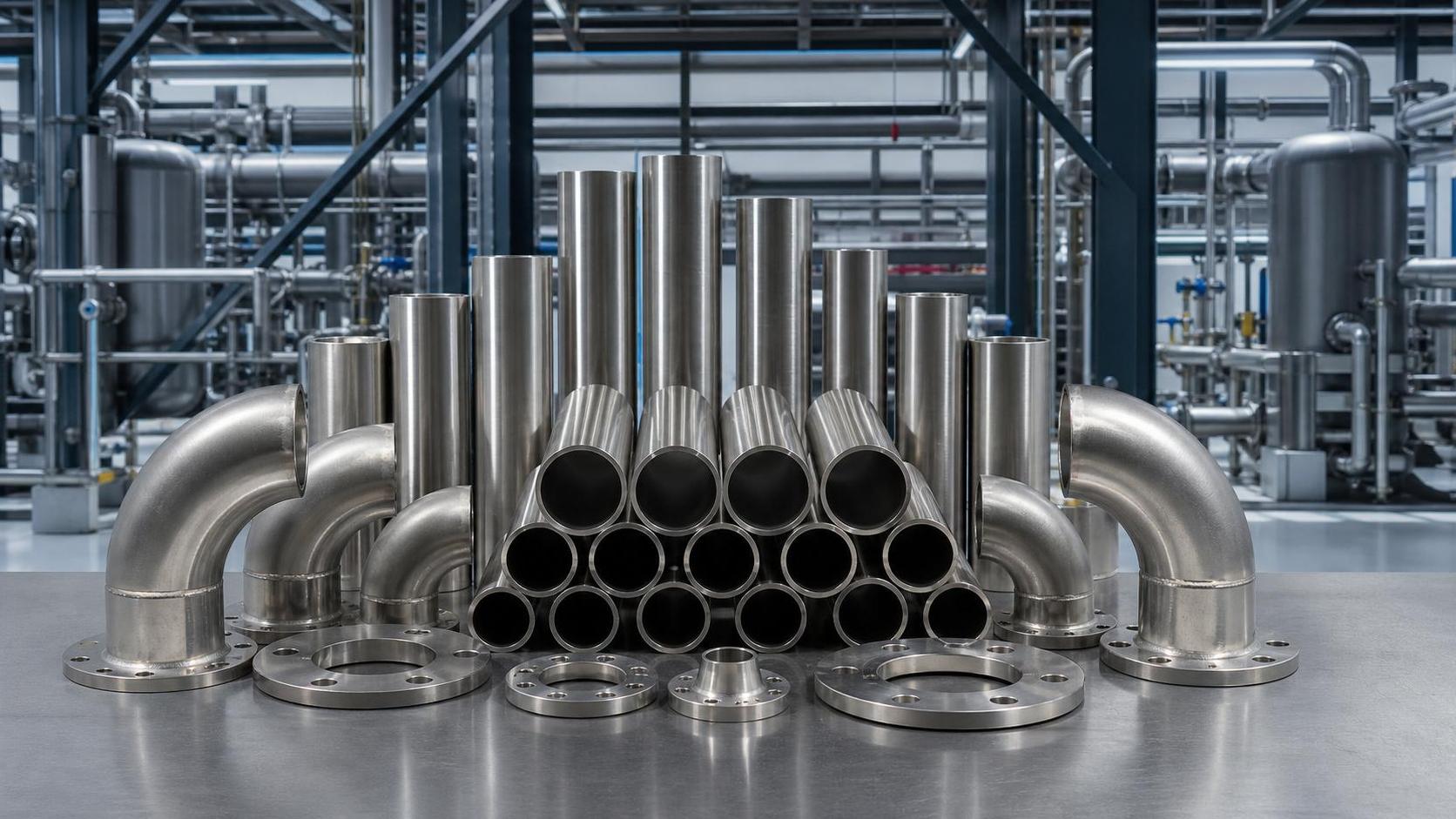
Why Small Stainless Steel Pipe Mistakes Become Expensive
Choosing stainless steel pipes may seem simple, but small mistakes often create long-term cost problems.
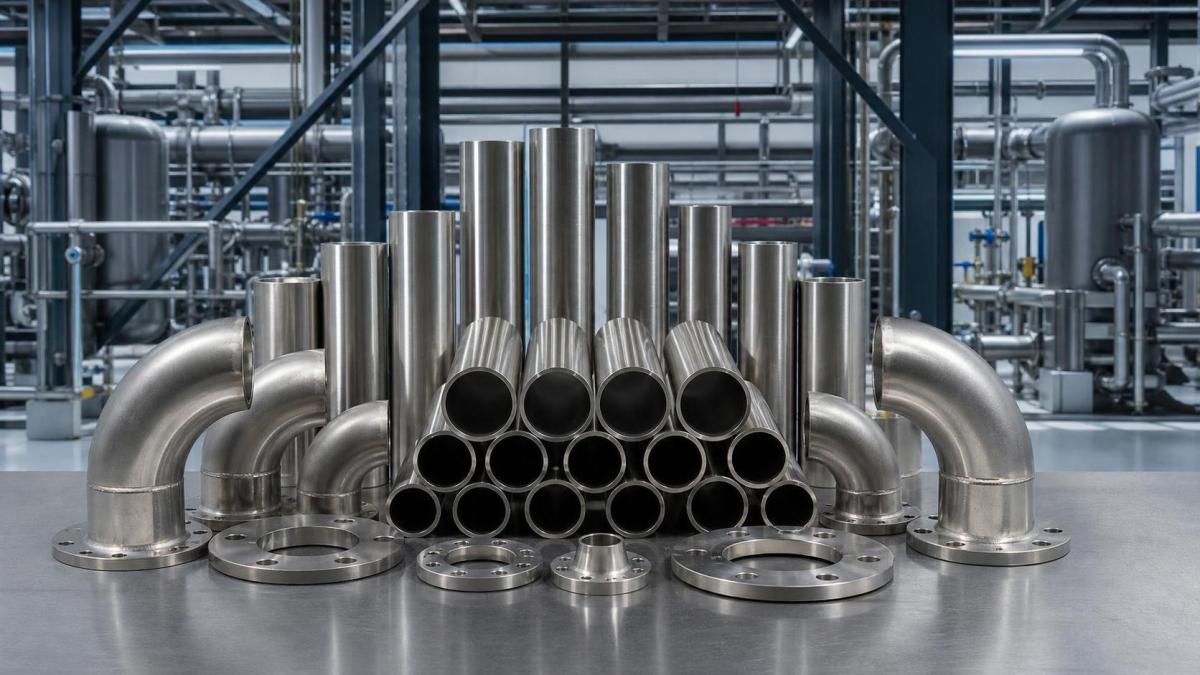
A pipe that looks strong on delivery can still fail early in service.
In many cases, the issue is not the material alone.
The real problem starts with poor grade selection, rushed installation, or weak maintenance habits.
That is why stainless steel pipes sometimes cost far more to replace than buyers first expect.
Replacement cost is never just the price of a new pipe.
It also includes labor, downtime, transport, inspection, lost efficiency, and possible damage to nearby systems.
For that reason, understanding the most common stainless steel pipe mistakes is practical, not optional.
The good news is that most of these mistakes can be prevented with better decisions early on.
Mistake 1: Choosing the Wrong Grade for the Environment
This is one of the most common reasons stainless steel pipes fail sooner than expected.
Many buyers assume all stainless steel pipes offer the same corrosion resistance.
They do not.
Grade 304 works well in many indoor and mild environments.
However, chloride-rich or coastal conditions often demand 316 or another higher-performance option.
When the wrong grade is installed, pitting and crevice corrosion may appear much earlier.
At first, the pipe may still look acceptable from the outside.
Then leaks, weak spots, or contamination issues begin to show.
- Check temperature, humidity, salt exposure, and chemical contact before buying stainless steel pipes.
- Match the steel grade to the actual service environment, not just the budget target.
- Ask for technical data and material certificates before placing the order.
A slightly higher initial material cost often prevents a much larger replacement bill later.
Mistake 2: Focusing Only on Price Instead of Lifecycle Value
Low purchase price can be attractive, especially when several suppliers look similar on paper.
Still, the cheapest stainless steel pipes are not always the most economical choice.
Lower-cost products may have inconsistent wall thickness, weaker finishing, or less reliable quality control.
Those details affect durability, weldability, and long-term performance.
A pipe that fails two years early is rarely a bargain.
This matters even more in systems that are difficult to access.
If removal requires shutdown, cutting, or structural work, the total replacement cost rises quickly.
In practical projects, pipe selection often connects with broader steel system planning.
For example, when reviewing support structures or framing needs, some buyers also compare related products such as I-Beam options from the same supplier.
A supplier with stronger documentation and product consistency can reduce risk across the whole procurement process.
Mistake 3: Ignoring Installation Quality
Even excellent stainless steel pipes can fail if installation standards are poor.
This is where many avoidable replacement costs begin.
Common installation problems include bad welds, rough cutting, poor alignment, and incorrect support spacing.
These mistakes create stress points and increase the chance of leaks or cracks.
Contamination during installation is another hidden issue.
If tools used on carbon steel are also used on stainless steel pipes, surface contamination can trigger rust spots.
That rust may look minor at first.
Over time, it can shorten service life and create unnecessary maintenance work.
- Use trained installers familiar with stainless material behavior.
- Keep stainless steel pipes separated from carbon steel tools and debris.
- Inspect welds, joints, and supports before the system goes into service.
Mistake 4: Overlooking Flow Conditions and Pipe Sizing
Pipe size affects much more than simple fit.
When stainless steel pipes are undersized or oversized, performance problems usually follow.
Undersized pipes can increase velocity and pressure loss.
That may lead to erosion, vibration, and noisy operation.
Oversized pipes create a different problem.
Low flow velocity can allow sediment, stagnant moisture, or process residue to remain inside.
That increases cleaning frequency and may affect corrosion behavior.
Sizing errors are especially costly when systems are already installed.
Replacing a badly sized line often means cutting, rejoining, and retesting sections.
Mistake 5: Neglecting Routine Cleaning and Inspection
Many people assume stainless steel pipes do not need much attention after installation.
That assumption creates problems later.
Stainless steel resists corrosion well, but it still benefits from regular cleaning and inspection.
Deposits, chemical residue, and trapped moisture can slowly damage performance.
Routine checks help catch surface staining, joint issues, or early corrosion before they become larger failures.
This is especially important in humid, outdoor, marine, or industrial environments.
Simple maintenance often extends the useful life of stainless steel pipes by years.
- Set a cleaning schedule based on the operating environment.
- Use suitable cleaners that will not damage the stainless surface.
- Document inspection results to spot repeated problem areas.
A short inspection routine is far cheaper than emergency replacement work.
Mistake 6: Buying from Suppliers Without Strong Technical Support
Product quality matters, but supplier support also affects replacement cost.
When technical guidance is weak, buyers are more likely to choose the wrong stainless steel pipes.
They may also miss details about standards, tolerances, or application limits.
That creates risk before the pipes even arrive on site.
A reliable supplier should offer clear specifications, traceable documents, and responsive communication.
That support becomes even more valuable for custom dimensions or mixed-order projects.
Angang Metal Products (Shandong) Co., Ltd. operates from one of China’s major steel industry centers.
Its business covers more than 80 countries and regions across Asia, Europe, Africa, and America.
With a quality-based and service-oriented approach, the company focuses on steel product development, production, export, and customized solutions.
That kind of support helps buyers make better stainless steel pipe decisions before costs escalate.
How to Reduce Stainless Steel Pipe Replacement Cost in Real Use
Avoiding these mistakes does not require a complicated process.
It requires a few disciplined steps at the right time.
- Define the working environment before selecting stainless steel pipes.
- Review grade, wall thickness, finish, and sizing together.
- Confirm supplier documents, standards, and technical support.
- Use proper installation methods and contamination control.
- Maintain a simple inspection and cleaning schedule after startup.
These steps improve reliability and make the full investment in stainless steel pipes work harder over time.
In real projects, prevention is almost always cheaper than replacement.
That is the key takeaway.
When stainless steel pipes are chosen carefully, installed correctly, and maintained with consistency, replacement costs stay lower and service life becomes far more predictable.
Please give us a message